Source Soundproof Awning Windows with Magnetic Screen for Balcony, Office, Residential
Compare 30 listings for soundproof awning windows with magnetic screen designed for balconies, offices, and residential spaces. These options feature aluminum frames, double tempered glass, and customizable finishes to meet diverse project needs.
Key considerations
Products List


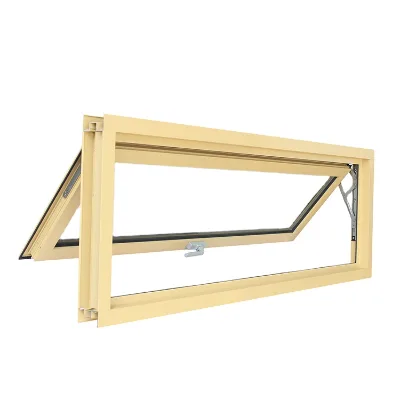

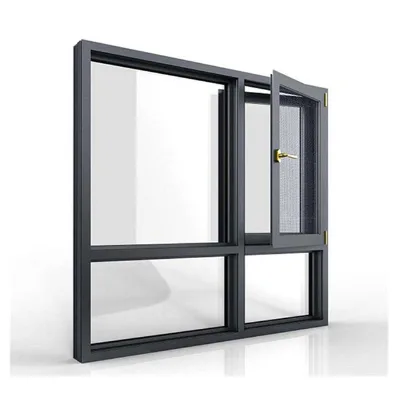


Comprehensive Sourcing Guide
Strategic Sourcing Guide for Soundproof Awning Windows with Magnetic Screens
Procuring specialized fenestration solutions requires a disciplined approach that balances acoustic performance, security, and operational functionality. The specific demand for soundproof awning windows equipped with magnetic screens represents a niche segment within the architectural glazing market. These units are designed to provide ventilation while maintaining a high barrier against external noise, dust, and insects. The integration of magnetic screen technology adds a layer of convenience and sealing efficiency that is critical for modern residential and commercial applications. Buyers must navigate a complex landscape of material specifications, surface treatments, and compliance standards to ensure the selected products meet rigorous performance expectations. This guide outlines the essential factors for sourcing these units, focusing on verified technical attributes and procurement best practices.
Technical Architecture and Acoustic Engineering
The foundation of a high-performance soundproof awning window lies in its structural composition and glazing configuration. Based on observed market data, the frame material is predominantly aluminum alloy, chosen for its durability and resistance to corrosion. The profile thickness is a critical metric, with specific listings indicating a thickness of 2.0 mm. This dimension contributes significantly to the rigidity of the frame, which is necessary to minimize vibration transmission—a primary pathway for noise infiltration. The surface finishing process typically involves powder coating or PVDF (Polyvinylidene Fluoride) treatment. These coatings not only enhance aesthetic longevity but also provide an additional seal against environmental degradation, ensuring the acoustic integrity of the unit remains intact over time.
The glazing system is the primary determinant of sound insulation capabilities. The most effective configurations observed utilize double tempered glass, often specified as 5+27A+5 mm. This notation indicates two panes of 5 mm glass separated by a 27 mm air gap. The width of the air gap is a crucial variable in acoustic engineering; wider gaps generally offer superior sound attenuation by disrupting sound wave propagation. While some listings mention single, laminated, or low-E glass options, the double tempered configuration with a substantial air gap is the standard for high-level soundproofing. The opening style is identified as "awning," which operates vertically. This design allows the window to tilt outward from the bottom, facilitating ventilation even during light rain while maintaining a tight seal when closed. The vertical opening pattern ensures that the sash presses firmly against the frame, reducing air leakage paths that could compromise soundproofing.
Integration of Magnetic Screen Technology
The inclusion of a magnetic screen is a defining feature for this product category, offering a seamless solution for insect protection and airflow management. Unlike traditional hook-and-loop or friction-fit screens, magnetic screens utilize strong magnets embedded in the frame or sash to create a self-sealing closure. This mechanism ensures that the screen material, which can be fiberglass, stainless steel, or nylon depending on the specific supplier, adheres tightly to the frame without gaps. The tight seal is essential for maintaining the "Airproof" and "Dust-proof" attributes listed in product specifications.
The material of the screen netting varies by application. Fiberglass is commonly cited for its balance of visibility and cost, while stainless steel offers enhanced durability and resistance to tearing. Some specifications also mention optional diamond mesh configurations, which provide additional structural strength. The magnetic feature must be evaluated for its retention strength; a weak magnetic seal can lead to gaps that allow noise and pests to penetrate. Furthermore, the screen must be compatible with the awning opening mechanism. The screen should retract or fold neatly when the window is opened to prevent obstruction of the vertical movement. Buyers should verify that the magnetic closure system does not interfere with the hardware's ability to lock the window securely in the open or closed position.
Compliance, Standards, and Certification Verification
Navigating the regulatory landscape is a critical step in the procurement process. The fenestration industry is governed by various international and regional standards that dictate safety, energy efficiency, and performance. Observed product data references several key standards, including NFRC (National Fenestration Rating Council), AS2047 (Australian Standard for windows), and CE approval. These certifications are not merely marketing labels; they represent third-party verification of the product's performance claims.
The NFRC rating is particularly relevant for energy efficiency and thermal performance, which often correlates with acoustic insulation. AS2047 is a stringent standard for wind load resistance and water penetration, ensuring the window can withstand harsh weather conditions. CE marking indicates compliance with European Union safety, health, and environmental requirements. Buyers must request current certification documents for any lot of products they intend to purchase. It is important to note that while some listings mention "customized" standards, the core compliance requirements for soundproof and security-rated windows should remain consistent. The security rating of "A" observed in the data suggests a baseline level of resistance to forced entry, which is often a prerequisite for soundproof windows in high-security zones.
Cost Drivers and Economic Considerations
The pricing of soundproof awning windows with magnetic screens is influenced by a combination of material costs, manufacturing complexity, and logistical factors. The observed price range in the market spans from 20 to 269 USD, a wide variance that reflects differences in specifications, order volume, and supplier positioning. Several key cost drivers must be analyzed to understand the final quote.
First, the glass configuration is a primary cost factor. Double tempered glass with a 27 mm air gap is more expensive than single glazing or configurations with narrower air gaps. Second, the surface treatment plays a significant role. PVDF coatings are generally more costly than standard powder coating due to their superior UV resistance and color retention. Third, the hardware quality affects the price. Listings mentioning hardware made in Germany versus China indicate a potential price differential, as imported hardware often commands a premium for its precision and durability. Finally, the customization level impacts cost. Options such as customized colors, specific screen materials, or tailored dimensions will increase the unit price compared to standard stock configurations.
Buyers should also consider the Minimum Order Quantity (MOQ) constraints. The observed MOQ range is 1 to 20 units, with some suppliers requiring a minimum of 10 square meters. This variability allows for flexibility in procurement but requires careful planning to avoid excessive inventory costs for smaller projects. The packaging method, ranging from EPE foam inside with wood crates outside to simple cartons, also adds to the overall cost, particularly for international shipping where damage protection is paramount.
Supplier Evaluation and Operational Capabilities
Selecting the right supplier is as important as selecting the right product. The sourcing guide emphasizes evaluating suppliers based on their project solution capabilities, after-sales support, and manufacturing origin. The data indicates that suppliers are located in various regions of China, including Foshan City, Chongqing, and Suzhou. These locations are known for their aluminum profile manufacturing clusters, but the specific origin can influence lead times and shipping logistics.
A critical evaluation metric is the supplier's ability to provide a comprehensive project solution. Listings mentioning "Graphic Design" capabilities suggest that some suppliers can assist with technical drawings and visualization, which is valuable for complex installations. Additionally, the availability of "Online Technical Support" is a key indicator of post-purchase reliability. Buyers should verify the responsiveness of this support channel and the depth of technical knowledge available to resolve installation or performance issues.
The customization availability is another vital factor. Since the product attributes list "Customization: Available," buyers should confirm the extent of this flexibility. Can the supplier accommodate specific glass thicknesses, frame colors, or screen mesh types? The ability to customize is essential for matching the windows to the architectural style and acoustic requirements of the specific project. However, buyers must be cautious of "customized" standards listed in some data points; these should be clearly defined in the contract to avoid ambiguity regarding compliance and performance guarantees.
Quality Control and Long-Term Procurement Strategy
Ensuring the long-term performance of soundproof awning windows requires a robust quality control (QC) strategy. The observed attributes highlight features such as "Scratch-Resistant" performance and "Fireproof" capabilities. While these are listed as features, buyers must verify them through independent testing or certified reports. The "Sound Insulation Performance" is listed as "Level 4" in some contexts, but this metric should be cross-referenced with the specific testing standard used (e.g., dB reduction values) to ensure it meets the project's acoustic requirements.
The packing method is a crucial element of the QC process. The transition from EPE foam packing inside to wood crate packing outside is designed to protect the glass and frame during transit. Buyers should inspect the packing specifications to ensure they match the fragility of the double tempered glass. For large orders, requesting pre-shipment inspection reports or third-party quality audits can mitigate the risk of receiving damaged or non-compliant goods.
Long-term procurement considerations also include the lifecycle of the product. The aluminum alloy frame, with its powder-coated or PVDF finish, is designed for longevity, but the magnetic screen mechanism requires periodic maintenance. Buyers should inquire about the availability of replacement parts, such as magnets or screen mesh, to ensure the system can be repaired rather than replaced entirely. The "After-Sale Service" of online technical support should be leveraged for troubleshooting any operational issues that arise during the warranty period.
Application Scenarios and Performance Expectations
The versatility of soundproof awning windows with magnetic screens makes them suitable for a wide range of applications. The data lists applications in residential, office, and industrial settings, with specific mentions of balconies. In residential contexts, these windows are ideal for urban environments where noise reduction is a priority. The combination of soundproofing and magnetic screens allows for ventilation without compromising on comfort or security.
In office environments, the "Decoration" and "Modern" style attributes are particularly relevant. The sleek aluminum frames and customizable colors allow these windows to integrate seamlessly with contemporary architectural designs. The "Heat Insulation" and "Airproof" features contribute to energy efficiency, reducing the load on HVAC systems. For industrial applications, the "Fireproof" and "Waterproof" capabilities provide essential safety features, while the robust construction ensures durability in demanding environments.
The performance expectations for these windows should align with the specific needs of the application. For high-noise areas, the double tempered glass with a wide air gap is non-negotiable. In areas prone to insect infestation, the magnetic screen's sealing capability is paramount. Buyers must clearly define their performance requirements before engaging with suppliers to ensure the selected product meets the necessary standards for the intended use case.
Conclusion
Sourcing soundproof awning windows with magnetic screens requires a meticulous approach that integrates technical knowledge with strategic procurement practices. By focusing on verified attributes such as aluminum alloy frames, double tempered glass configurations, and magnetic screen integration, buyers can identify products that deliver on their acoustic and functional promises. Compliance with standards like NFRC, AS2047, and CE provides a baseline for quality and safety, while supplier evaluation ensures reliable support and customization capabilities. Understanding the cost drivers and long-term maintenance needs allows for informed decision-making that balances initial investment with lifecycle value. As the market continues to evolve, maintaining a focus on evidence-based specifications and rigorous quality control will be essential for securing fenestration solutions that meet the highest standards of performance and durability.
FAQs
What glass configuration provides the best soundproofing for awning windows?
Double tempered glass with a 27 mm air gap offers superior sound insulation. This configuration, specified as 5+27A+5 mm, disrupts sound wave propagation more effectively than single glazing or thinner air gaps.
How does the magnetic screen enhance the window's sealing performance?
The magnetic screen creates a self-sealing closure that eliminates gaps for air and dust. This mechanism ensures the unit remains airproof and dust-proof while allowing for easy ventilation without compromising the acoustic barrier.
Which surface treatments are available for the aluminum alloy frame?
Frames typically feature powder coating or PVDF surface treatments for durability. These finishes protect the aluminum alloy from corrosion and UV degradation while maintaining the structural rigidity required for high security ratings.
Can suppliers customize the screen netting material for specific needs?
Yes, customization is available for screen netting materials including fiberglass, stainless steel, or nylon. Buyers can select the mesh type based on durability requirements or visibility preferences while maintaining the magnetic closure feature.
What standards do these windows typically comply with for safety and performance?
Products often meet NFRC, AS2047, and CE approval standards for safety and efficiency. These certifications verify the window's resistance to wind loads, water penetration, and energy performance in various international markets.
How is the minimum order quantity determined for these specialized windows?
MOQs vary by supplier but can range from 1 unit to 10 square meters. Some vendors require a minimum area purchase while others accept smaller orders, allowing flexibility for different project scales.